Your roof plays an important role in protecting your home from rain, wind, snow, and other weather conditions. Over time, however, even a well-maintained roof can develop problems. Missing shingles, water stains, leaks, and visible wear are common signs that your roof may need attention.
When these issues appear, one important question comes up: Should you repair the existing roof or invest in a complete roof replacement?
The right choice depends on several factors, including the age of your roof, the extent of the damage, the condition of the roofing materials, and your long-term plans for your home. Understanding the differences between roof repair and roof replacement can help you make an informed decision, avoid unnecessary expenses, and protect your property for years to come.
What Is the Difference Between Roof Repair and Roof Replacement?
Roof repair focuses on fixing specific problems without removing the entire roofing system. It may involve replacing damaged shingles, repairing flashing, sealing minor leaks, or addressing localized water damage.
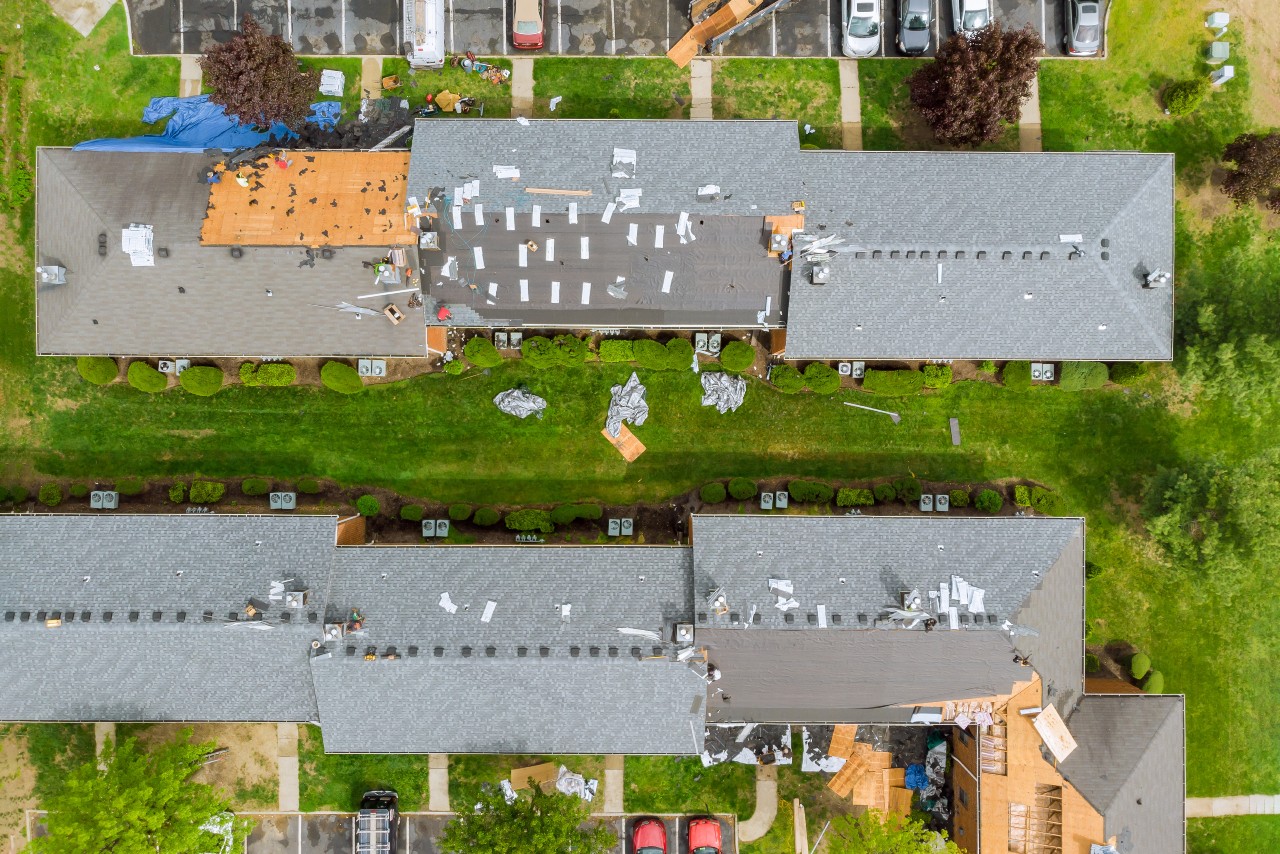
Roof replacement involves removing some or all of the existing roofing materials and installing a new roofing system. Depending on the condition of the roof, this may also include replacing damaged decking, improving ventilation, and installing new underlayment.
Both options can protect your home when performed correctly. The main difference is whether the problem is limited to a specific area or reflects broader deterioration throughout the roof.
When Is Roof Repair the Right Choice?
Roof repair is often the most practical option when the damage is minor, localized, and the rest of the roofing system remains in good condition.
1. Your Roof Has Minor or Isolated Damage
If a storm has damaged a few shingles or a small section of flashing has come loose, a targeted repair may be enough to restore your roof’s protection.
Common problems that may be suitable for repair include:
- A few missing, cracked, or loose shingles
- Minor leaks around vents, chimneys, or skylights
- Small areas of damaged flashing
- Limited damage caused by wind or falling branches
- Minor leaks that can be traced to a specific source
A professional inspection can determine whether the damage is isolated or connected to a larger issue.
2. Your Roof Is Relatively New
A newer roof that has been properly installed and maintained may still have many years of useful life remaining. If the roofing materials are in good condition, replacing the entire roof because of one small problem may not be necessary.
For example, if a few shingles are damaged during a storm, replacing those shingles and checking the surrounding area may resolve the issue without requiring a major investment.
3. The Problem Has a Clear, Limited Cause
Some roofing issues result from a specific failure rather than widespread wear. Damaged flashing, a loose roof vent, or a small opening around a plumbing vent can allow water to enter the home.
When the underlying cause can be identified and corrected, a repair may provide a reliable solution. However, simply sealing the visible leak without addressing its source can allow moisture to return.
4. You Want to Extend Your Roof’s Service Life
Timely repairs can help preserve a roof that is otherwise in good condition. Addressing minor damage early may prevent water from reaching the roof decking, insulation, ceilings, and walls.
Regular inspections and prompt maintenance can also help identify developing problems before they become more expensive to fix.
When Should You Consider Roof Replacement?
Roof replacement may be the better option when your roof has reached the end of its useful life or has widespread damage that individual repairs cannot reliably resolve.
1. Your Roof Is Near the End of Its Expected Lifespan
Every roofing material has a different expected service life. Asphalt shingles, metal roofing, tile, and other materials age differently depending on installation quality, maintenance, ventilation, and local weather conditions.
For example, many traditional asphalt shingle roofs last approximately 20 to 30 years, although actual performance varies by product and conditions.
If your roof is approaching the end of its expected lifespan and developing recurring problems, replacement may offer better long-term value than continuing to repair individual sections.
2. You Notice Widespread Shingle Damage
A few damaged shingles may be easy to replace, but widespread deterioration is a different situation.
Signs that may indicate the need for replacement include:
- Missing or curling shingles across multiple roof sections
- Widespread cracking or significant granule loss
- Bald spots where shingle granules have worn away
- Repeated damage in different areas of the roof
- Roofing materials that have become brittle or deteriorated
When these issues affect large portions of the roof, replacing the entire system may provide more dependable protection than patching one area at a time.
3. Your Roof Has Frequent or Recurring Leaks
A leak does not automatically mean you need a new roof. However, repeated leaks in multiple locations can indicate that the roofing system is deteriorating.
If repairs have failed to resolve the problem or new leaks continue to develop, a more comprehensive assessment may be necessary.
Water can travel along roof decking, rafters, and other structural components before becoming visible inside your home. As a result, the location of a ceiling stain may not match the actual source of the leak.
A thorough inspection can help determine whether repairs remain practical or replacement is the more dependable solution.
4. There Is Significant Underlying Damage
Roofing problems are not always limited to the shingles you can see. Long-term moisture exposure can damage roof decking, underlayment, insulation, and structural components.
If an inspection reveals extensive deterioration beneath the roofing materials, replacing the affected roofing system may be necessary to address the problem properly.
Installing new shingles over a damaged foundation will not solve underlying structural or moisture issues. The condition of the materials beneath the roof surface should always be considered before deciding on the next step.
5. Repair Costs Are Adding Up
Repeated repairs can become expensive, especially when problems continue to appear across different sections of an aging roof.
If you are paying for frequent service calls, replacing damaged materials, and repairing interior water damage, it may be worth comparing the cumulative cost of repairs with the cost of replacement.
A new roof typically requires a larger upfront investment, but it may reduce ongoing repair needs and provide more predictable protection. The best decision depends on the roof’s current condition, the cost of necessary work, and how long you plan to remain in your home.
What Factors Should You Consider Before Making a Decision?
Before committing to either option, consider the following factors.
The Age and Condition of Your Roof
Roof age provides useful context, but it should not be the only deciding factor. A well-maintained older roof may be in better condition than a poorly installed newer one.
A professional assessment should consider the roofing materials, visible wear, previous repairs, ventilation, and any evidence of moisture damage.
The Extent of the Damage
The location and severity of the problem are important. A small leak caused by damaged flashing may be repairable, while widespread leaks combined with deteriorated shingles may point toward replacement.
Ask your roofing contractor to explain the source of the problem and whether similar issues are likely to develop elsewhere.
Your Budget and Long-Term Plans
Your available budget matters, but the least expensive immediate option is not always the most cost-effective over time.
If you plan to stay in your home for many years, investing in a replacement may make sense when the roof is nearing the end of its useful life. If the roof is relatively new and the damage is limited, a repair may be the more sensible choice.
Weather and Seasonal Conditions
Severe weather can expose existing weaknesses in a roof. Heavy rain, strong winds, snow, and ice can contribute to leaks or damage, particularly when roofing materials are already deteriorating.
In areas that experience harsh winters, it is especially important to address damaged shingles, flashing, and drainage issues before they lead to more extensive moisture problems.
If your roof has sustained storm damage, arrange an inspection promptly. Temporary protective measures may be needed to prevent additional water intrusion while permanent repairs are planned.
Roofing Materials and Availability
Matching replacement shingles or other roofing materials can sometimes be difficult, particularly when an older product has been discontinued. Color differences, material compatibility, and the condition of the surrounding roof may affect whether a localized repair is practical.
A roofing professional can evaluate the available options and explain whether a repair will provide a consistent, reliable result.
Can You Repair a Roof Instead of Replacing It?
In many cases, yes. Roofs with isolated damage and substantial remaining service life can often be repaired successfully.
However, repairing a roof is not always the best long-term solution. If the materials are deteriorating across multiple sections or the roof has persistent problems, repeated repairs may only delay a replacement that will eventually be necessary.
The goal should be to identify the underlying cause of the damage and select a solution that protects your home reliably. A professional inspection can help you understand whether a repair is sufficient or whether replacement would be a better investment.
Why a Professional Roof Inspection Matters
It can be difficult to determine the condition of your entire roof from the ground. Some problems are visible, while others develop beneath shingles or around flashing, vents, chimneys, and other roof penetrations.
A professional roof inspection can help identify:
- The location and likely cause of leaks
- The extent of shingle or roofing material damage
- Signs of moisture intrusion or damaged decking
- Flashing, ventilation, and drainage concerns
- Whether localized repairs are practical
- Whether replacement is likely to provide better long-term value
Ask for a clear explanation of the findings and an itemized estimate when appropriate. If both repair and replacement are viable, compare the scope of work, expected service life, warranty coverage, and overall cost before making your decision.
Make the Right Choice for Your Roof
Choosing between roof repair and roof replacement starts with understanding the condition of your existing roof. Minor damage, isolated leaks, and relatively new roofing materials may be good candidates for repair. Widespread deterioration, recurring leaks, extensive underlying damage, and an aging roof may make replacement the more practical long-term solution.
Rather than waiting for a small problem to become a major expense, schedule a professional roof inspection to understand your options. An experienced roofing contractor can assess the damage, explain the available solutions, and help you choose an approach that fits your home and budget.